What to Look for When Hiring an Electrician
Hiring the right electrician is essential for ensuring safety, compliance, and long-term reliability in any residential or commercial electrical project. Electrical systems have grown increasingly complex, and even minor mistakes can pose serious risks such as shock hazards, equipment damage, or electrical fires. While DIY repairs may seem appealing, they are often unsafe and can violate building codes. According to the 2025 U.S. Houzz and Home Study, 41 percent of homeowners tackling renovations hired an electrician for their projects in 2024, highlighting the widespread need for qualified professionals.
When evaluating an electrician's background, start with their licensing status. A licensed electrician has met state or local requirements, passed necessary examinations, and demonstrated knowledge of electrical codes and safe practices. Licensing shows they are legally authorized to perform electrical work and remain accountable to regulatory boards if issues arise. This accountability protects you and ensures that any work performed is compliant and safe.
Reviewing Certifications, Education, and Credential Verification
Certifications add another layer of credibility. Many electricians progress through levels such as apprentice, journeyman, and master electrician, each reflecting increasing expertise and responsibility. Some also hold specialized certifications for advanced technologies or niche applications—such as renewable energy systems, commercial wiring, or smart home installations. These additional credentials indicate a commitment to ongoing learning and skill refinement, both of which are essential in an ever-evolving industry.
Education is another key factor. Electricians who have completed formal trade school programs receive hands-on training that develops their technical understanding and safety practices. These programs emphasize code compliance, theory, troubleshooting, and practical application—ensuring the electrician enters the workforce with a solid foundation. Continuous education further demonstrates professionalism. Because electrical standards, technologies, and safety practices evolve, high-quality electricians regularly update their knowledge to stay current with industry changes.
Before hiring, always verify credentials. You can confirm a license through your local licensing board—many provide searchable online databases. Request copies of insurance documentation, certifications, and any relevant licenses to ensure you are working with a qualified and legitimate professional. Reputable electricians willingly share this information and maintain transparent records for client reassurance. Checking references and reviews also helps validate their background and gives insight into their previous performance.
Evaluating Experience and Technical Skill
Experience is one of the strongest indicators of an electrician's ability to deliver quality work. Years spent in the industry expose professionals to a wide variety of installations, repairs, and troubleshooting situations. This depth of experience enables them to diagnose problems faster, anticipate complications, and provide solutions that align with both safety standards and practical needs. An electrical system is a long-term investment, so choosing an electrician with proven experience ensures your project is completed efficiently and correctly.
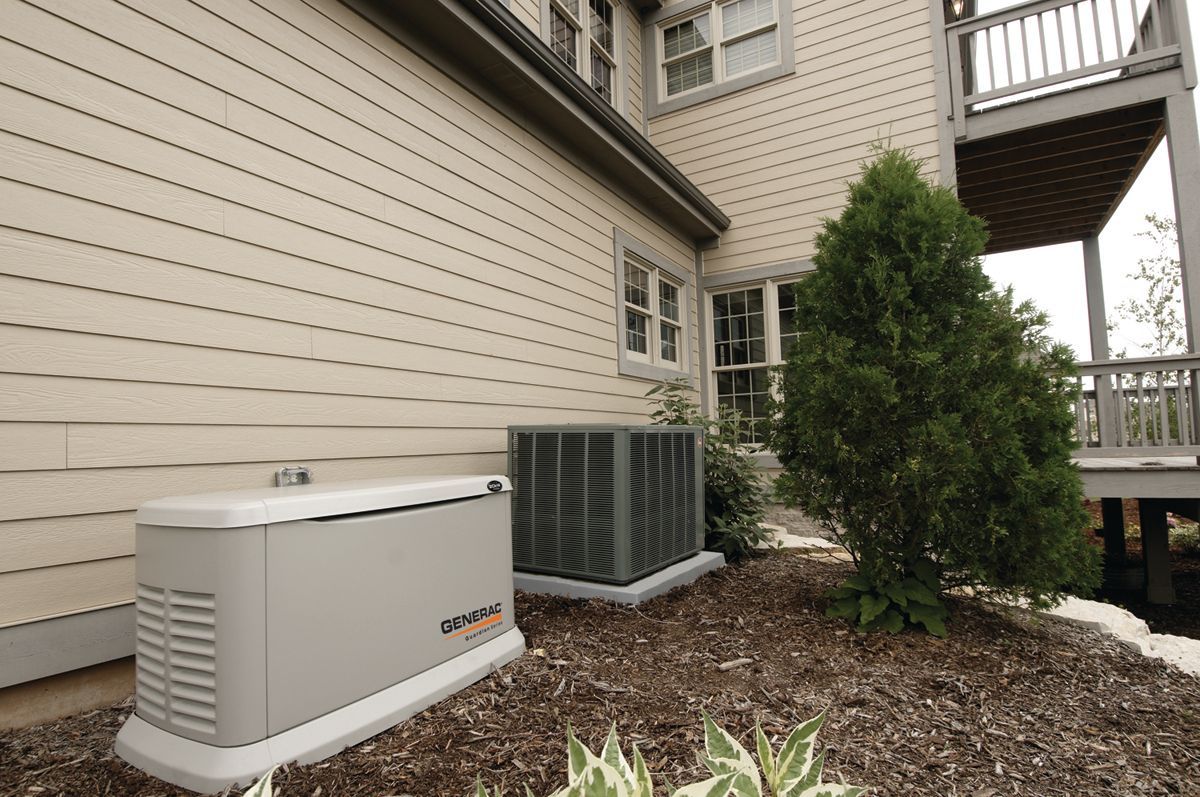
Specialization is equally important. Not every project requires the same skill set, and many electricians develop expertise in specific types of work. If you need assistance with solar integration, whole-home rewiring, commercial electrical upgrades, generator installations, or smart home technology, hiring an electrician with targeted specialization ensures precise execution. These professionals understand the nuances of specialized equipment and advanced systems, reducing the likelihood of errors or complications.
Always review an electrician's portfolio. Examining past work helps you understand their proficiency and whether they have handled projects similar to yours. Visual examples or detailed descriptions of completed installations can reveal craftsmanship, attention to detail, and the level of complexity they can manage. Additionally, speaking with past clients provides valuable insight into the electrician's professionalism, punctuality, communication skills, and problem-solving abilities.
Problem-solving skills are essential for any electrician. Electrical systems often present hidden challenges—whether outdated wiring, code violations, or unexpected load demands. An electrician with strong analytical skills can identify root issues quickly and recommend appropriate solutions. This reduces downtime, prevents unnecessary repairs, and ensures your system meets current safety requirements.
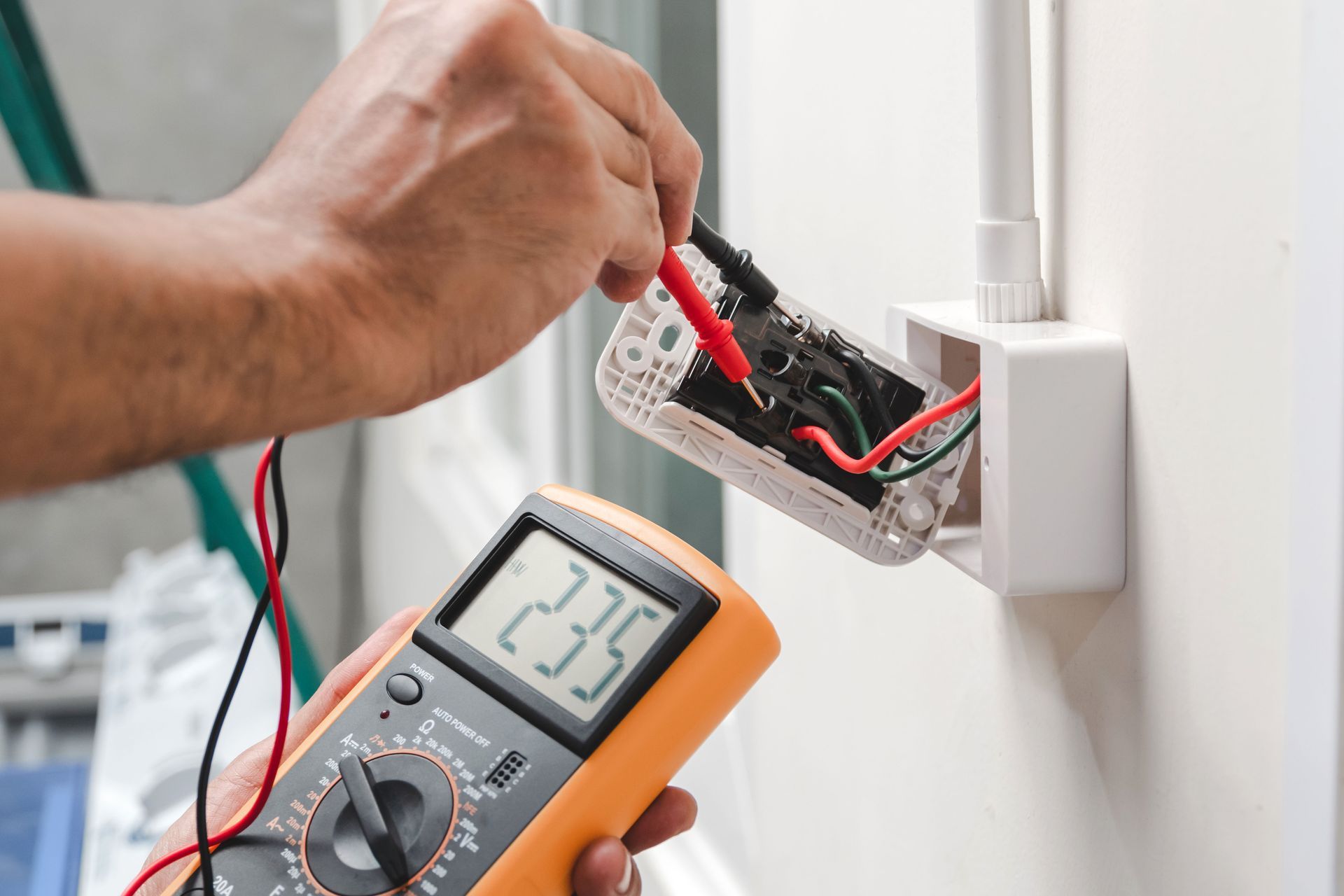
Modern electrical work also demands technical proficiency with advanced tools and technologies. From diagnostic equipment and programmable controllers to smart home systems and high-efficiency electrical components, a skilled electrician must know how to operate modern tools effectively. Ask prospective electricians about their experience with the specific technology your project involves. Their ability to integrate new systems and navigate advanced equipment can significantly impact the efficiency and longevity of your electrical installation.
Assessing Reputation and Reliability
A strong reputation reflects consistent performance and customer satisfaction. In today's digital landscape, online reviews are one of the easiest ways to assess an electrician's reliability. Platforms such as Google, Yelp, and trade-specific directories provide detailed accounts of customers' experiences. Look for patterns—consistent praise for professionalism or communication often indicates trustworthy service, while repeated complaints may signal underlying issues.
Pay attention to the number and date of reviews. An electrician with many recent positive reviews is more likely to maintain high standards. Also, note whether the electrician responds to feedback. A professional who engages constructively with customer comments demonstrates accountability and a commitment to service quality.
Word-of-mouth referrals from friends, family, or coworkers are equally valuable. These firsthand accounts deliver honest assessments of the electrician's work ethic, craftsmanship, and reliability. Referrals often highlight qualities not found in online reviews, such as responsiveness, respect for property, or the ability to handle unexpected challenges. Combining personal recommendations with online research gives you a well-rounded picture of the electrician's reputation.
Industry ratings and affiliations can also help narrow your options. Organizations like the Better Business Bureau and local trade associations evaluate contractors based on professionalism, complaint history, and compliance with industry standards. High ratings from these entities reinforce that the electrician adheres to ethical practices and maintains a strong track record of quality service. These third-party evaluations provide an added layer of confidence, helping you choose an electrician with proven accountability and credibility.
Reviewing Pricing, Insurance, and Professionalism
Clear, transparent pricing reflects professionalism and prevents misunderstandings during your project. A reputable electrician provides detailed estimates that outline labor, materials, timelines, and any potential additional charges. Avoid contractors who offer unclear pricing or pressure you into quick decisions. Instead, look for an electrician who explains the reasoning behind their recommendations and provides straightforward documentation.
Insurance is another non-negotiable requirement. A properly insured electrician carries liability coverage and, when applicable, workers' compensation insurance. These policies protect both parties against accidents, property damage, or injuries on the job. Hiring an uninsured electrician puts you at risk of costly liability issues—always verify coverage before work begins.
Evaluating communication and professionalism is a key step when choosing an electrician. A dependable electrician responds promptly, provides clear explanations, and maintains courteous interactions. Professionalism also includes punctuality, respect for your home or business, and adherence to project timelines. A contractor who communicates well ensures the project runs smoothly and you remain informed every step of the way.
Choosing the right electrician requires careful consideration of qualifications, experience, reputation, and overall professionalism. By verifying credentials, reviewing past work, assessing technical skills, and considering both online and word-of-mouth feedback, you can confidently select a contractor who prioritizes safety, quality, and long-term reliability. According to the 2025 U.S. Houzz and Home Study, 41 percent of homeowners undertaking renovations relied on professional electrical expertise—an important reminder of the value a skilled electrician provides.
If you're ready to move forward with your project, reach out today to Dayton Electric Co., LLC to consult with a qualified electrician who can deliver safe, reliable, and professional results.


Share On: