November 19, 2026
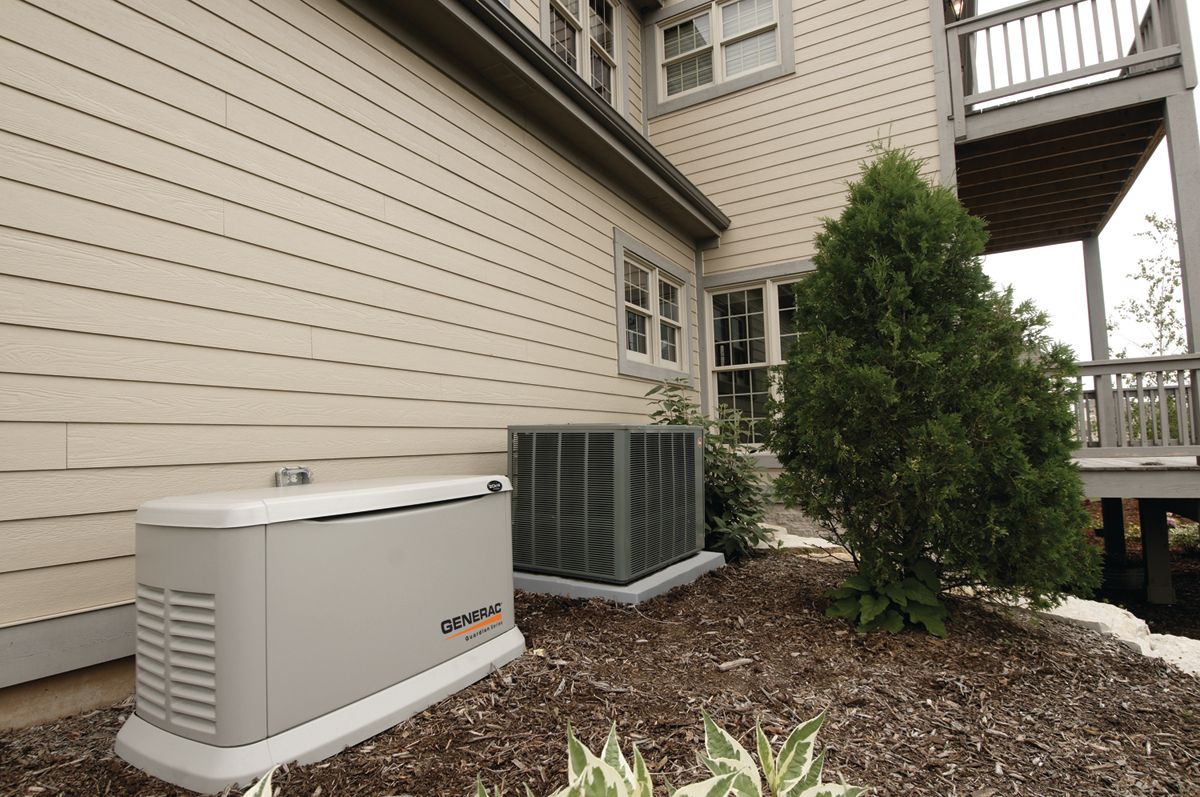
Understanding the importance of your electrical panel's readiness before installing a generator is crucial for safety and efficiency. This guide will explore the necessary steps and considerations for preparing your home's electrical system for a backup power source. A generator provides an alternate source of electricity during power outages, but its integration into your existing system can pose safety challenges if not carefully executed. By inspecting and preparing your electrical system adequately, you mitigate potential risks and enhance the longevity of your generator and home appliances. As we delve into this subject, we'll uncover the essential aspects you need to ensure a smooth and safe installation process.
Understanding Your Electrical Panel
Location and Accessibility
The location of your electrical panel significantly impacts its functionality and safety. An accessible panel allows for quick shutdowns in emergencies and facilitates easier maintenance. Ideally, panels should be installed away from high-traffic areas but in locations that can be easily reached. Misplaced panels could lead to unsafe conditions during critical moments, such as power surges or when a generator needs to be deployed quickly. Assess your panel's current position and determine if it's situated in an optimal location for ease of access and safety.
Types of Electrical Panels
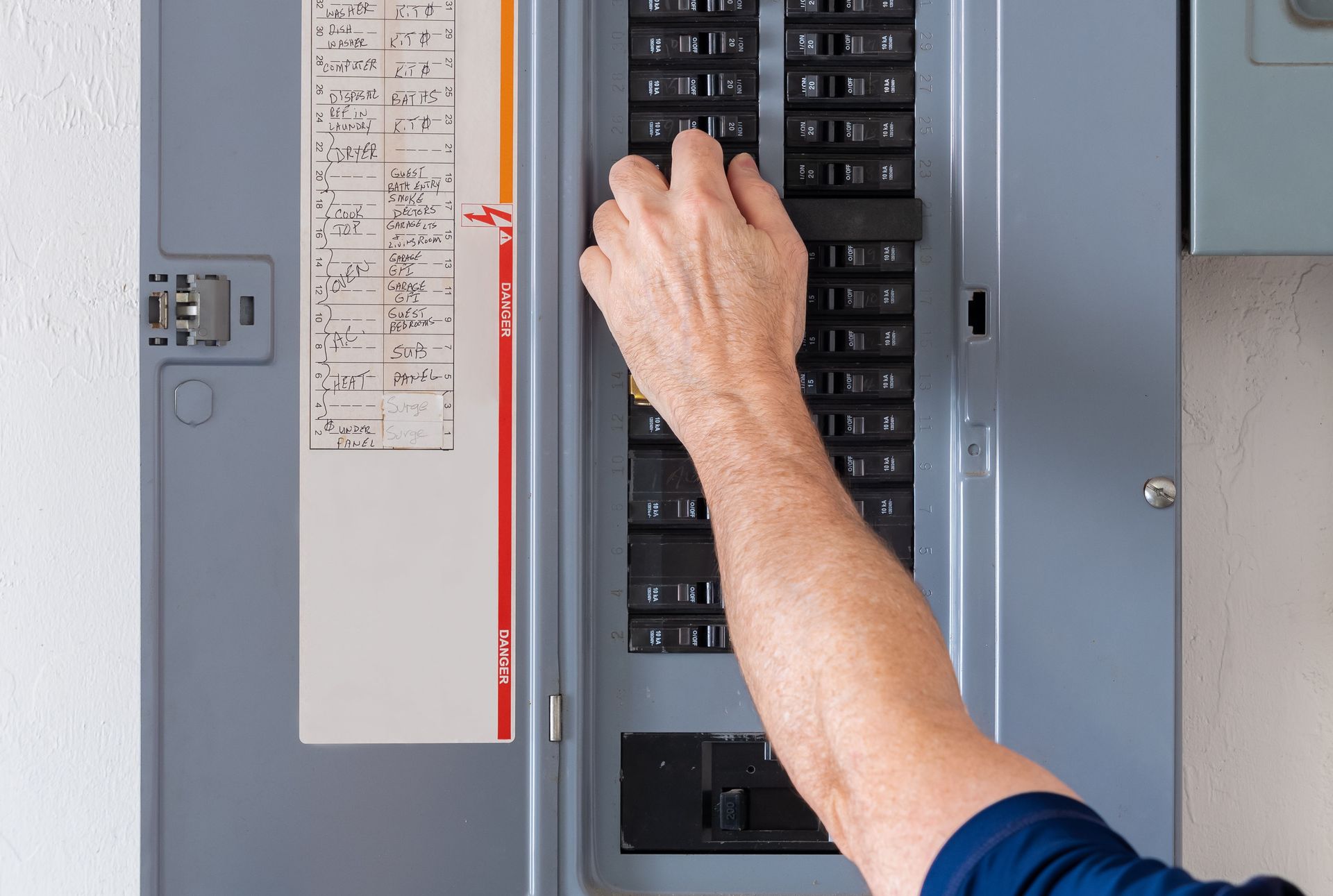
Electrical panels come in various types, each serving a specific purpose in managing electricity flow in your home. The two most common types are fuse boxes and circuit breaker panels, with the latter being more prevalent in modern homes. Fuse boxes, though still in use, are gradually being phased out due to their limitations in managing the increased power demands of contemporary households. Circuit breaker panels are favored because they allow for more secure and convenient resetting in the event of electrical issues. Knowing your panel type is crucial for determining compatibility with generators and ensuring that the extra load can be effectively managed.
Capacity and Load Requirements
The capacity of your electrical panel is fundamental to determining whether it can support a generator safely. Panels are designed to handle specific loads, and exceeding these can lead to overheating, circuit damage, or even fire hazards. Homeowners should evaluate current usage against the panel's rated capacity to prevent overloads, especially when adding a generator. Proper assessment involves consulting an electrician to calculate available capacity versus household electrical demands during backups. Understanding these requirements ensures that your panel can safely accommodate additional loads without risking structural damages or hazardous situations.
Age and Condition
The age and condition of your electrical panel are critical factors that influence its readiness for generator installation. Older panels may not support modern electrical loads, common in homes equipped with numerous appliances and devices. Wear and tear over the years can also result in deteriorated components, increasing susceptibility to failures under increased demand. It's prudent for homeowners with older panels to consider an upgrade, particularly those with fuse-based systems, to ensure safety and reliability during backup operations. Regular inspections to check for corrosion, rust, or any physical damages are beneficial in ascertaining the panel's condition before making your generator choice.
Compatibility with Generators
Before deciding on generator installation, verifying your panel's compatibility is essential. Some older panels may not accommodate the installation of necessary generators or might require additional components to facilitate safe operation. Compatibility checks involve looking at the integrity and design of your current electrical system and possibly enhancing it to synchronize effectively with a backup generator. By ensuring compatibility, homeowners not only safeguard their electrical systems but also optimize generator performance, ensuring it can cover essential circuits without unnecessary strain. Consulting with professionals who can provide a thorough evaluation of potential issues is often wise when assessing compatibility.
Considering Safety
Inspection by a Professional
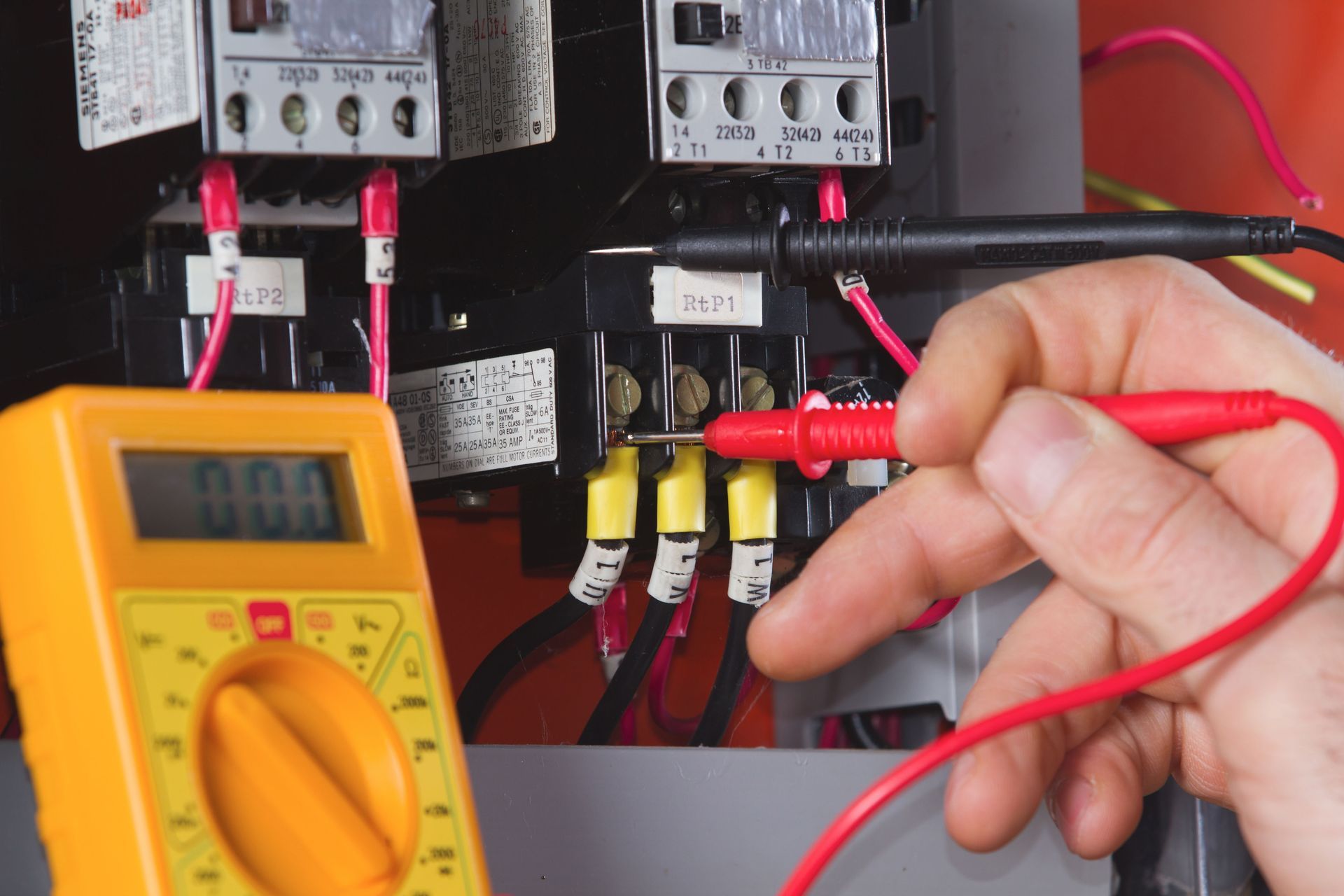
Engaging a certified electrician to inspect your electrical panel is a critical step before installing a generator. Trained professionals can identify issues that may not be visible to the untrained eye, such as hidden corrosion, outdated components, and improper wiring setups. Such inspections ensure the system can accommodate additional loads without becoming a safety hazard. Aside from addressing immediate concerns, electricians can forecast potential areas of concern, advising necessary upgrades or changes. Investing in thorough inspections aids in averting costly repairs and ensures the safety and efficiency of your generator setup.
Potential Hazards and Risks
Several potential hazards can arise from integrating a generator into your home's electrical system. Without proper preparation, installations pose fire risks, overloading conditions, and unforeseen electrical malfunctions. Identifying these hazards before proceeding ensures remediation measures are in place, either through equipment upgrades or additional safety components. Significant awareness around these risks highlights the importance of respecting local electrical codes and the associated need for professional consultations. Such due diligence fosters trust in the safety of the system, given that the U.S. electrical services market, according to GM Insights, is projected to grow significantly, reaching USD 294.6 billion by 2034, which further underscores the need for systemic reliability.
Grounding and Surge Protection
Proper grounding and surge protection are fundamental to safeguarding your home and appliances during generator use. Grounding ensures that electrical currents have a safe path to dissipate, reducing the risk of electrical shocks or damage to equipment. Surge protection acts as a shield against unforeseen power spikes, common when activating or deactivating generator systems. For households, investing in quality surge protectors and ensuring compliant grounding enhances overall safety and efficiency. It is crucial homeowners address these two facets through appropriate technology, readily available through various vendors specializing in electrical safety solutions.
Code Compliance and Regulations
Abiding by local codes and regulations is non-negotiable for safe generator installation and operation. Electrical codes vary by region but universally dictate necessary requirements for installations, ensuring safety, efficiency, and environmental compatibility. Non-compliance can lead to legal repercussions and pose severe risks, necessitating homeowners to be proactive in understanding local governance concerning residential electrical systems. Obtaining permits and enlisting certified professionals not only uphold safety standards but can enhance property values by assuring potential buyers of robust safety measures. Reviewing the latest compliance protocols, considering certification renewals, and identifying relevant local authorities are practical steps here.
Assessing Power Needs
Determining Essential Circuits
Identifying which circuits are essential is a pivotal step in backup power planning. Focus must be given to circuits vital for daily routines such as refrigeration, lighting, and communication technologies. This prioritization ensures continuity for household functions even during extended outages. Evaluating these circuits involves considering needs during peak times versus off-peak periods, measuring resilience proportions. Meanwhile, recognizing which circuits could be temporarily sacrificed without much impact ensures efficient use of the generator's capacity during power outages.
Calculating Total Power Requirements
Accurate computation of total power requirements guides generator selection to ensure it meets all necessary demands. Estimating the wattage draw of essential appliances and systems forms the basis for this calculation. Many online resources and professional services offer tools to simplify this process for homeowners, adding clarity and ensuring comprehensive understanding of needs. Concerns here involve mapping out current usage, factoring in any seasonal fluctuations or planned household upgrades. Ultimately, this assessment ensures no oversight compromises safety or functionality during generator deployment.
Understanding Transfer Switches
Transfer switches represent critical components bridging home electrical systems with backup generators. These switches manage smooth transitions between grid and generator power, ensuring user safety by preventing back-feeding into lines. Manual options offer user-initiated activation while automatic models provide instant responsiveness to outages. Homeowners should examine their preferences concerning these options, factoring installation and longer-term usability considerations. Partnering with trusted experts specializing in these setups informs decisions, providing nuanced adoption of practices supporting durable backup power systems.
Ensuring your electrical panel is ready for a generator involves careful consideration of several factors. By understanding these requirements and working with professionals, you can ensure a safe and reliable backup power solution for your home. A properly prepared generator and electrical panel strategy considerably enhances the dependability of your backup power system. Electricity's vital role in our lives amplifies the need for sustainable infrastructures capable of enduring unforeseen circumstances without compromising or neglecting safety standards. Taking informed steps towards full integration guarantees you peace of mind, facilitating crucial connectivity when facing challenging circumstances ensuring lifelong reliance from automated solutions. If you're looking for a reliable
electrician who can advise you about generator installation, reach out to Dayton Electric Co, LLC today!