October 23, 2026
Electrical systems serve as the invisible backbone of every modern household, quietly powering the lights, appliances, and electronics that make daily life comfortable and convenient. However, because most electrical infrastructure remains hidden behind walls and inside metallic boxes, homeowners often overlook the gradual wear and tear that occurs over decades of continuous operation. As energy demands increase with the addition of new technology, smart devices, and high-wattage equipment, an outdated system can quickly become overwhelmed. Recognizing when your central power hub is no longer capable of supporting your daily needs is crucial for maintaining household safety, preventing unexpected power outages, and protecting valuable electronics from damage. Skilled electricians regularly evaluate residential systems to identify structural inefficiencies and hazardous conditions before they lead to severe damage. Understanding how your power supply functions, recognizing the early warning signs of age, and knowing when to seek professional assistance will help you make informed decisions about your home's infrastructure.
Signs Your Electrical System Is Showing Its Age
Modern households rely heavily on electrical devices to keep daily routines running smoothly. From high-powered kitchen appliances to entertainment centers and central heating systems, energy demands are significantly higher today than they were decades ago. Knowledgeable electricians often point out that older homes were simply not designed to handle the massive load generated by contemporary technology. When a home’s central power hub struggles to keep pace, it introduces safety risks and frequent power interruptions that disrupt your daily living. Recognizing the warning signs early helps protect your home and ensures your system continues to function safely and efficiently.
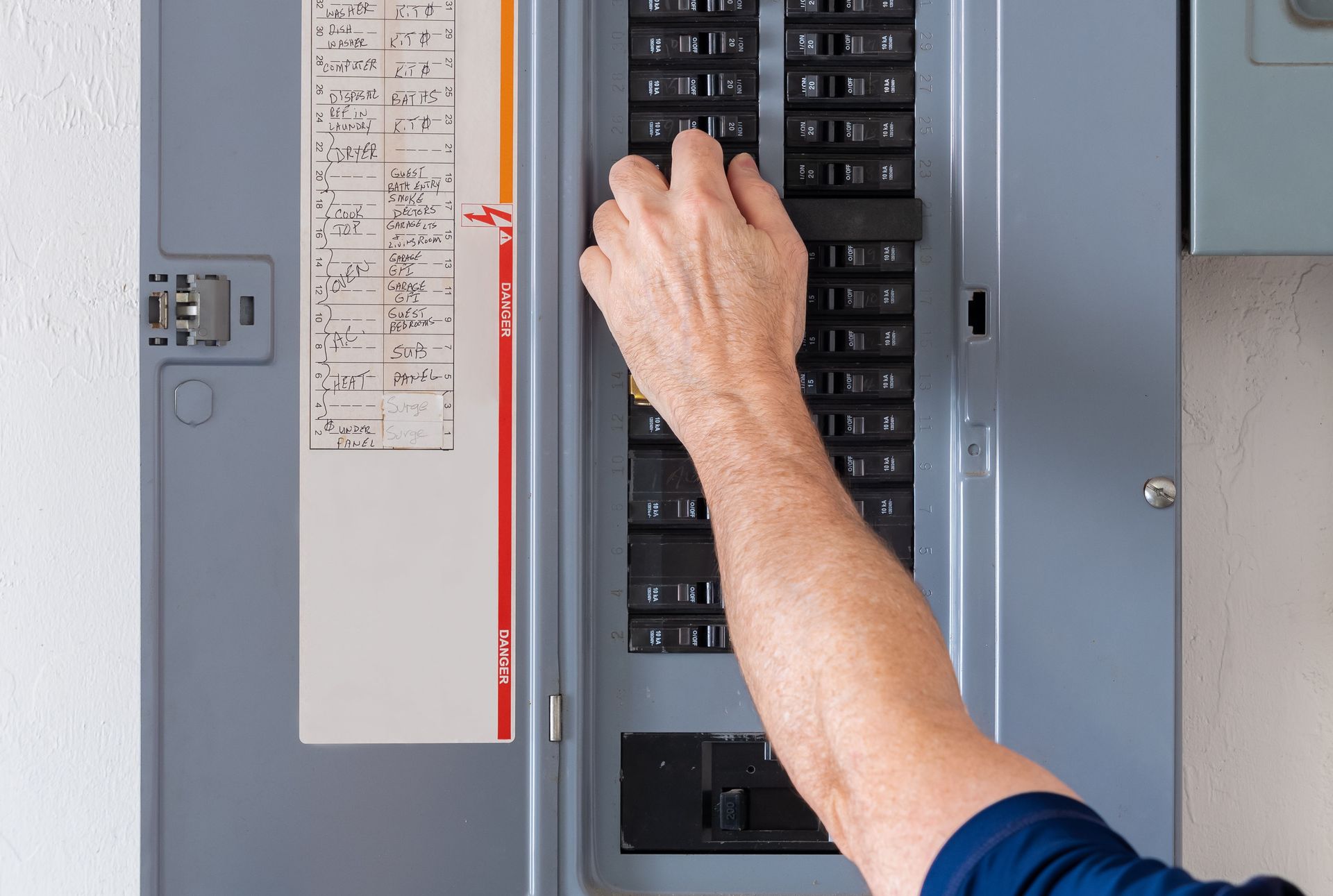
One of the clearest indicators of an aging system is a breaker that trips on a regular basis. Circuit breakers are safety mechanisms built into the breaker box to shut down power when an electrical pathway becomes overloaded. If plugging in a hairdryer or running a microwave alongside a vacuum causes a breaker to flip, the overall system is likely operating at maximum capacity. Qualified electricians can evaluate whether these trips stem from an isolated bad circuit or a broader issue involving the main breaker box itself. Ignoring frequent trips can accelerate wear on your home's wiring, leading to potential hazards down the road.
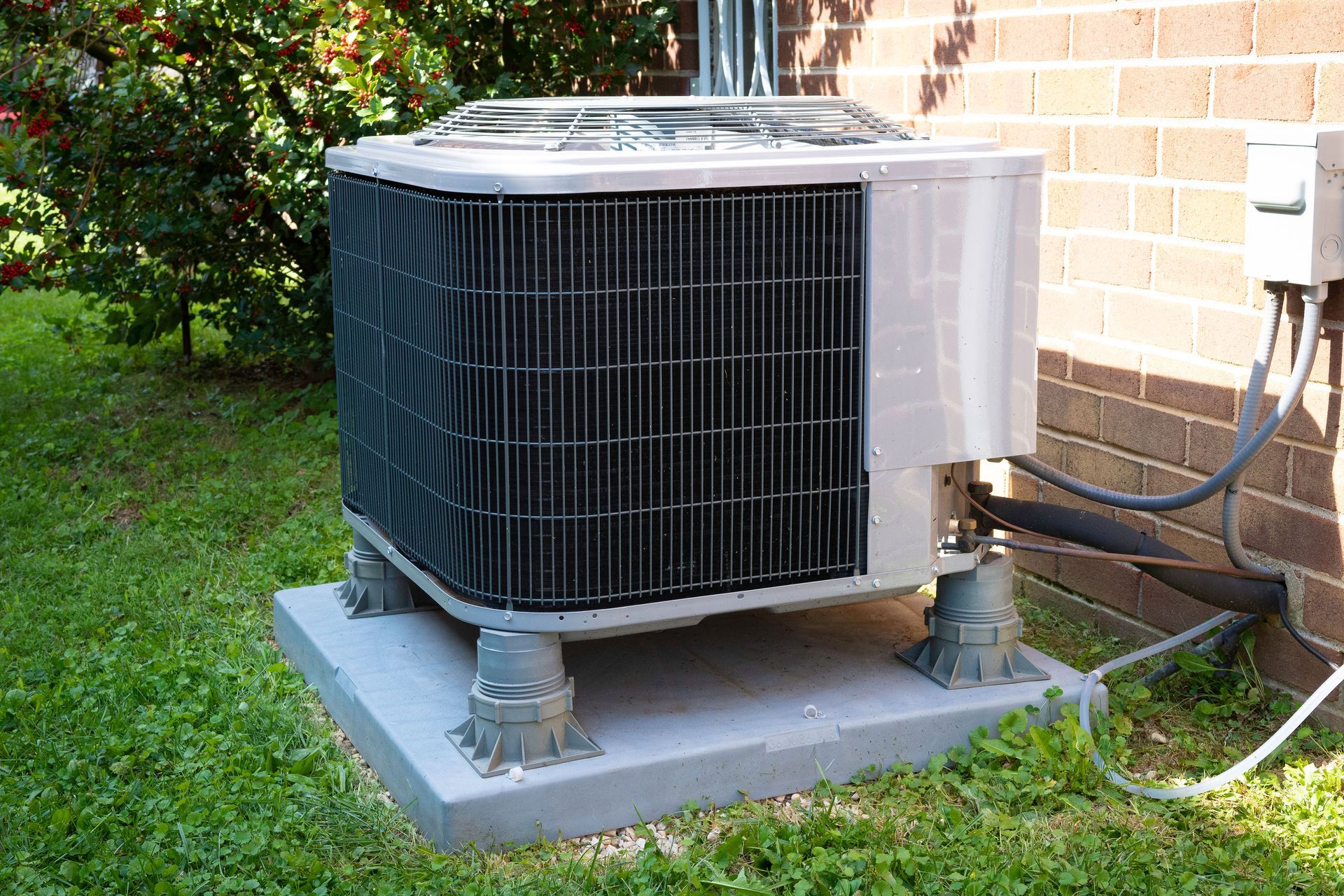
Flickering or dimming lights throughout the house also signal that your system is struggling to deliver consistent voltage. You might notice lights dimming every time the air conditioner turns on or when heavy machinery operates nearby. This sudden drop in power suggests that major appliances are drawing more energy than the main power feed can smoothly distribute. Experienced electricians can run diagnostic checks to determine if the panel needs higher amperage capacity. Addressing voltage fluctuations promptly prevents sensitive electronic equipment from suffering long-term damage due to uneven power delivery.
Physical Warning Signs and Performance Issues
Beyond electrical performance, the physical condition of your breaker box yields crucial clues about its age and integrity. Rust formation, moisture corrosion, or discoloration inside or around the metal box indicates exposure to humidity or water intrusion. Water and electricity are a dangerous combination, and corrosion inside the box degrades connections, leading to unsafe heat accumulation. Local electricians recommend inspecting the exterior surface and surrounding area of your breaker box regularly. If you spot rust flakes, burning smells, or scorch marks around individual breakers, the entire setup requires immediate professional attention to prevent electrical fires.
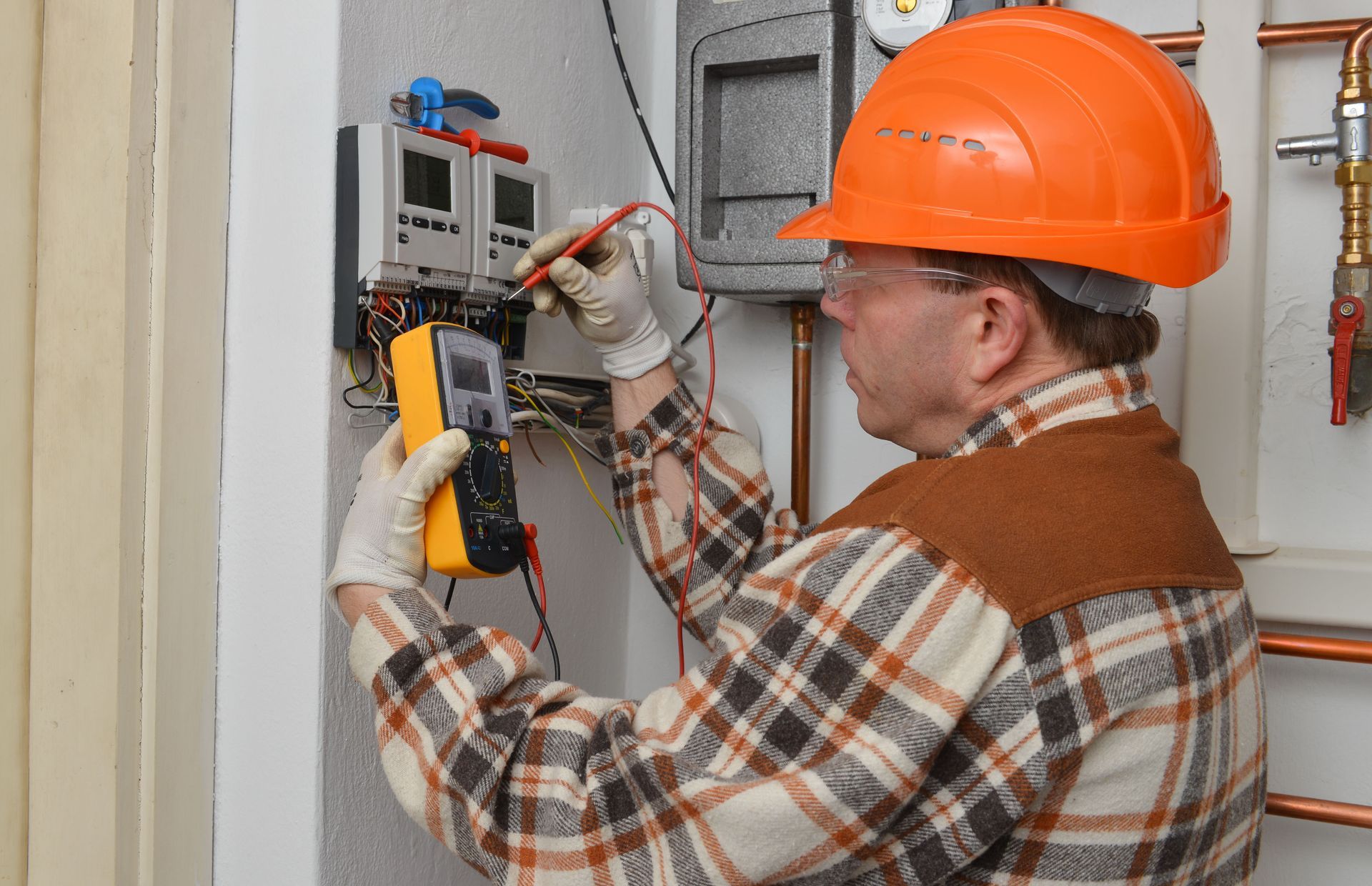
Another major red flag is warm or buzzing breaker components. An electrical service center should operate quietly and remain cool to the touch. When current encounters resistance due to loose wiring, outdated components, or corroded contacts, excess heat builds up quickly. Buzzing sounds often point to a failing breaker that is refusing to trip despite being overloaded. Certified electricians know how to inspect internal wiring safely to identify failing components before catastrophic overheating occurs. Replacing worn components or upgrading the complete service setup restores safety and provides peace of mind.
It is also essential to consider the actual age of the installed equipment when assessing its safety. According to This Old House, homeowners should consider an electrical panel upgrade if their current panel is more than 25 to 30 years old. Units installed decades ago were manufactured to support a fraction of today's power demands. Over time, internal components degrade, insulating materials wear thin, and replacement parts become difficult or impossible to locate. Scheduling a thorough evaluation allows you to determine whether your current setup meets modern safety standards or presents hidden hazards.
Outdated Equipment and Safety Standards
Many older homes still rely on fuse boxes or outdated panel brands that fail to meet modern safety codes. Fuse boxes were standard in homes constructed during the mid-twentieth century, but they were built for minimal power loads. When a fuse blows, homeowners are sometimes tempted to replace it with a higher-amp fuse, creating a severe fire hazard. Modern electricians strongly advocate replacing fuse systems with modern breaker boxes that utilize advanced safety technologies like Arc Fault Circuit Interrupters and Ground Fault Circuit Interrupters to prevent accidental shocks and electrical fires.
Certain older panel models have also been recalled or identified by industry safety organizations as inherently hazardous. Specific brands manufactured in past decades are known for higher failure rates, where breakers fail to trip during an overcurrent event. When breakers fail to shut off power during a surge, wires heat up rapidly inside the walls, dramatically increasing the risk of structural fires. Professional contractors can quickly identify hazardous brand models during a routine safety inspection and guide you through safer, fully compliant replacement options.
Upgrading an outdated setup does more than just enhance safety; it also adds substantial value and efficiency to your property. Modern panel upgrades boost total home capacity, allowing you to install fast-charging stations for electric vehicles, add hot tubs, or complete room additions without overwhelming your energy supply. Consulting with knowledgeable specialists gives you a clear picture of how an upgraded service setup can accommodate your family's evolving energy requirements while lowering energy waste across your home.
The Benefits of Professional Electrical Service
Attempting DIY modifications on main service boxes is extremely hazardous and should always be avoided. The main cables feeding into your home carry lethal amounts of current even when individual breakers are turned off. Licensed
electricians possess the training, protective gear, and specialized diagnostic equipment required to perform upgrades safely and correctly. Professional installation ensures that every circuit is properly balanced, grounded, and wired to meet all local building codes and regional safety mandates.
A professional evaluation also helps you plan for future energy demands before unexpected power failures occur. If you plan to remodel your kitchen, install a central HVAC unit, or set up a dedicated home office, evaluating your current power setup is a necessary first step. Skilled technicians ensure your panel installation adheres to precise standards, preventing costly code violations and safeguarding your home insurance coverage. Investing in expert installation ensures your home remains safe, efficient, and ready to handle whatever technology you introduce next.
When selecting a service provider, choosing a licensed, insured, and experienced local team makes all the difference. Local professionals understand the unique environmental factors, local building codes, and common housing styles in your area. Working with reputable contractors ensures that your upgrade process runs smoothly from the initial site inspection and permit application through to final testing and power restoration.
Dayton Electric Co., LLC brings over 55 years of experience as a local, family- and veteran-owned business dedicated to keeping homes safe across Liberty County, TX. Our licensed and insured team delivers exceptional workmanship on every project, ensuring your power systems operate at peak performance. Contact us today to schedule a comprehensive panel inspection and learn how we can enhance the safety and efficiency of your home's electrical system.