October 11, 2026
Power outages can happen without warning, leaving homeowners without lighting, climate control, refrigeration, security systems, and other essential electrical equipment. A properly planned backup generator can help keep important systems operating when utility power is interrupted. Working with professional generator installers also helps homeowners select equipment that fits their property's electrical demands and have it connected and tested correctly.
Assessing Your Home's Power Needs
Before selecting a generator, homeowners should determine which electrical systems they want to keep running during an outage. Refrigerators, lighting, heating and cooling equipment, security systems, sump pumps, and medical equipment can all be important depending on the property and household. A power assessment can help identify these priorities and provide a clearer picture of the generator capacity needed.
Understanding electrical demand also helps prevent homeowners from selecting equipment that doesn't match their property. A generator that's too small might not support the desired circuits, while a unit that's larger than necessary can add unnecessary equipment and operating costs. Professional generator installers can evaluate the home's electrical requirements and help determine an appropriate system based on the circuits and appliances that need backup power.
Homeowners should also consider how they want their backup system to operate. Standby generators can provide automatic backup when connected with an appropriate transfer switch, while portable generators can provide a flexible option for temporary power needs. Discussing these differences with a qualified electrical contractor can help clarify which setup fits the property, usage patterns, and expectations.
Selecting the Right Generator System
Generator systems come in different sizes and configurations, so selecting equipment requires more than simply choosing the largest available unit. Residential and commercial generator systems, whole-house backup solutions, standby generators, and portable generator setups can serve different property types and electrical requirements. These options allow backup power systems to be matched to the property's specific needs.
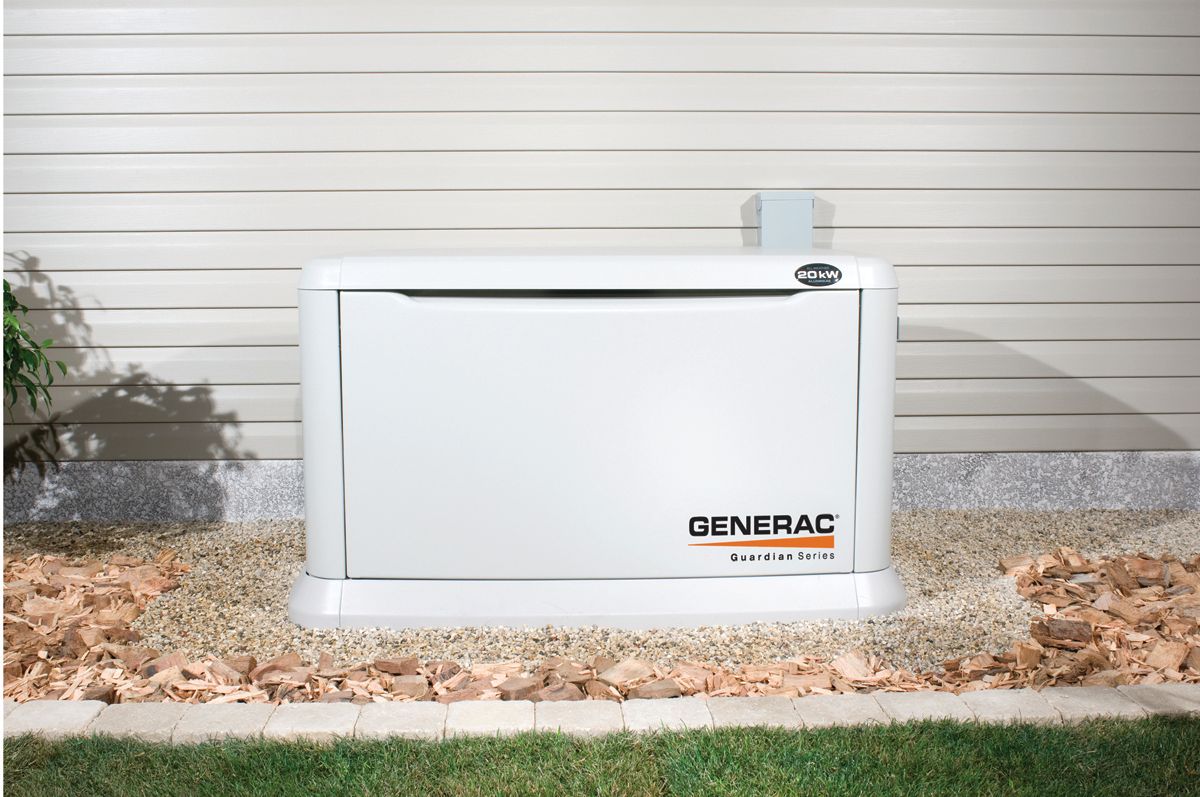
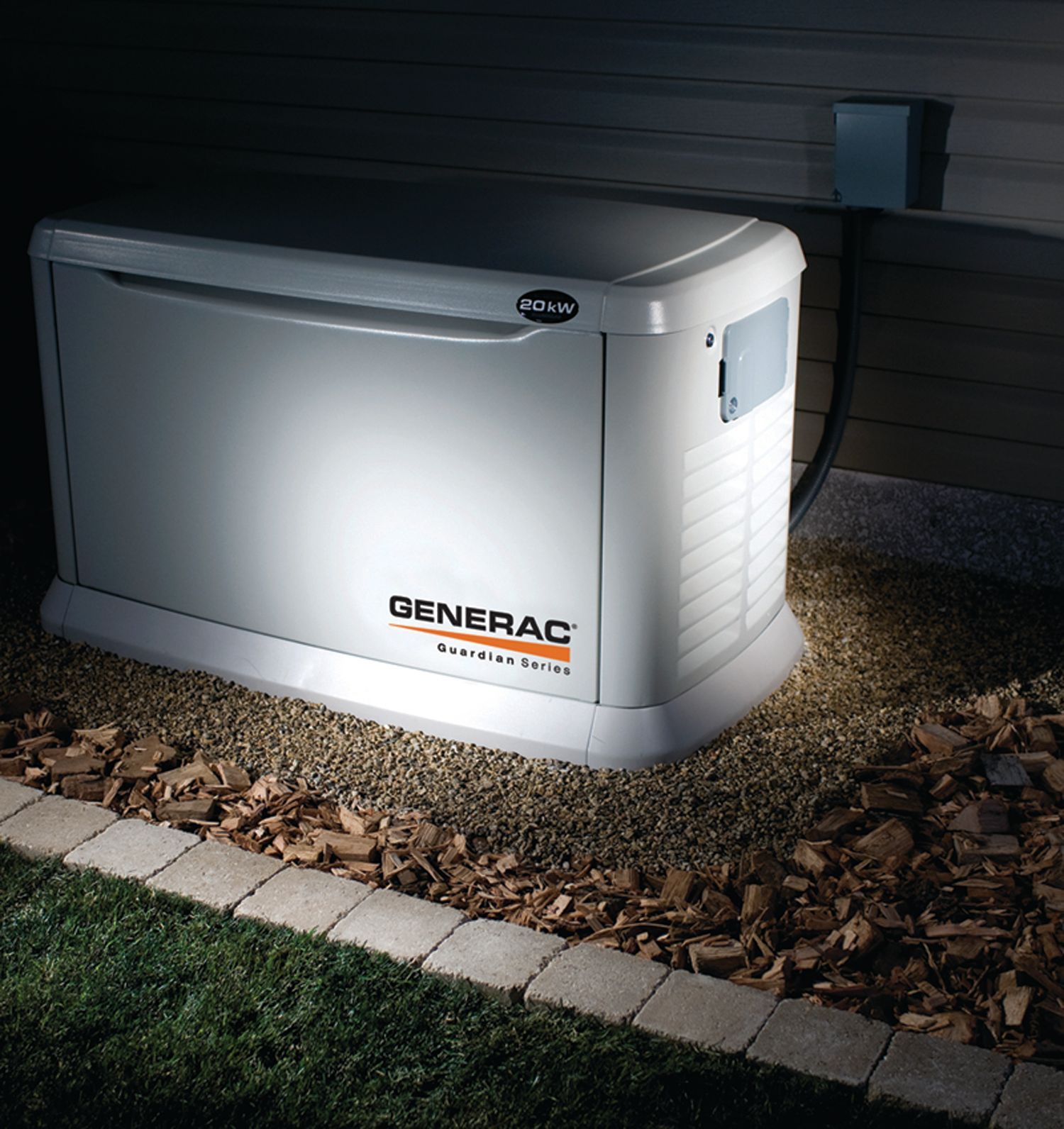
Standby systems can be permanently installed and paired with an automatic transfer switch so the system can respond when utility power fails. Portable generators offer another option for homeowners who need temporary backup power and don't require the same permanent setup. Generator installers can explain the differences between these systems and help homeowners understand the installation requirements associated with each option.
Fuel considerations are another part of the selection process. The appropriate fuel connection depends on the generator and property, which is why fuel system connections are an important part of some generator installations. Discussing fuel requirements before installation can help homeowners understand how the system will operate and what infrastructure might be necessary for the selected equipment.
Planning the Generator Installation
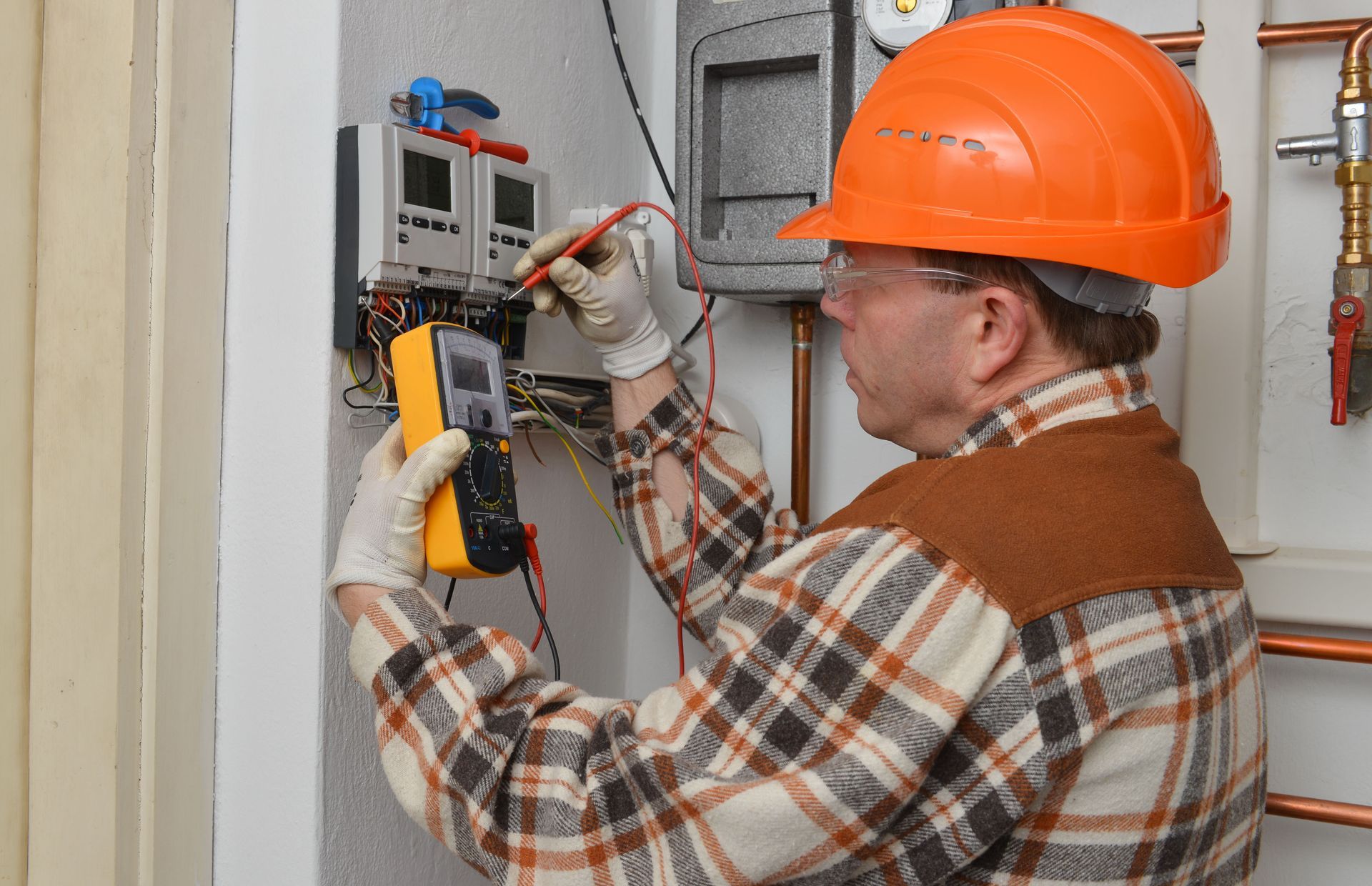
Proper planning helps prepare the property for the physical and electrical requirements of a generator. The installation process can include site assessment, equipment selection, professional mounting, electrical connections, and operational testing. These steps help make sure the generator is positioned appropriately and connected to the property's electrical system as intended.
The installation might also involve an automatic transfer switch for standby systems. This component allows the generator and the property's electrical system to work together when utility power is interrupted. Professional generator installers can coordinate the electrical connections and test the system, so homeowners have a clearer understanding of how their backup power setup will function during an outage.
Planning should also account for future electrical needs. A household could add appliances, upgrade heating or cooling equipment, install an electric vehicle charger, or otherwise change its electricity usage over time. Discussing these possibilities during the initial assessment can help homeowners select a system that makes sense for their current requirements while considering potential changes to the property.
Preparing for Long-Term Generator Performance
A generator represents a long-term investment, so maintenance should be considered before installation is complete. Regular service can help identify worn components, battery concerns, connection issues, and other problems before an outage puts the system to the test. Professional generator maintenance can help keep systems operating properly throughout the year.
According to HomeAdvisor, a quality standby generator can operate for approximately 30 to 50 years with regular service. That potential service life makes routine maintenance an important consideration when planning a long-term backup power system. Homeowners should follow the manufacturer's maintenance recommendations and arrange professional service when the generator requires inspection, testing, or repairs.
Maintenance is particularly important because a generator might sit unused for periods between outages. Testing and servicing the system can help identify issues before an emergency occurs. Professional generator repairs can also address problems that affect generator performance after installation.
Protecting Your Home During Outages
A properly installed generator can support many of the electrical systems homeowners rely on during an outage. Backup power can help keep refrigerated food from spoiling, maintain security equipment, support climate control, and keep sump pumps operating during storms. For households that rely on certain medical equipment, maintaining electrical service can also be particularly important.
Professional installation is important because generator systems involve electrical connections, equipment placement, and, depending on the system, fuel connections and transfer equipment. Generator installers can manage these components as part of a coordinated installation rather than leaving homeowners to determine how separate pieces should work together. Professional installation can also help make sure the system is connected and tested according to applicable requirements.
Preparing before an outage also gives homeowners time to ask questions about system operation and maintenance. A professional assessment can identify the circuits that matter most and clarify what the selected generator is designed to support. Taking these steps before severe weather or an unexpected utility interruption can make the backup power system easier to manage when it is needed.
Maintaining Your Backup Power Investment
Long-term generator planning doesn't end after installation. Homeowners should keep track of maintenance appointments, monitor the system for unusual performance, and address repair needs promptly. Generator installers can provide ongoing service that helps keep the equipment prepared for future outages and supports the system throughout its service life.
It is also useful to revisit household electrical needs as circumstances change. New appliances, renovations, home additions, or changes in how a property is used can affect the amount of backup power required. A follow-up power assessment can help determine whether the existing system continues to match those needs or whether electrical modifications should be considered.
Choosing professional installation and ongoing maintenance provides a more complete approach to preparing for power outages. From evaluating electrical demand and selecting equipment to completing connections, testing operation, and providing repairs, professional electrical services can be tailored to individual property requirements.
Preparing for Reliable Backup Power
Preparing a home for long-term backup power starts with understanding the property's electrical requirements and determining which systems are most important during an outage. The next steps include selecting an appropriate generator, planning the installation, and arranging maintenance to keep the system ready for future use. Professional generator installers can help homeowners address these considerations while coordinating the equipment, electrical connections, transfer components, and testing required for a complete backup solution.
Experienced electrical contractors can provide generator installation and maintenance for residential and commercial properties. Services can include professional project evaluations, power assessments, standby and portable generator installation, automatic transfer switch installation, fuel system connections, maintenance, and repairs. These services can help property owners prepare a backup power system around their electrical needs. When you're ready to prepare your property for dependable backup power, contact Dayton Electric Co., LLC to schedule a generator consultation and discuss your electrical needs.