October 3, 2026
Your electrical panel is responsible for distributing electricity throughout your home and helping keep individual circuits operating safely. As households add appliances, electronics, heating and cooling equipment, and other electrical devices, an older panel may struggle to meet changing demands. Some warning signs are easy to overlook because the system may continue providing power despite underlying problems. Flickering lights, frequently tripped breakers, unusual sounds, and outdated equipment can all indicate that an evaluation is appropriate. An electrician can inspect the panel and determine whether its capacity and condition are suitable for the home's current needs. Panel upgrades may also become relevant when homeowners are planning major renovations or adding high-demand equipment. Understanding the signs of an aging or undersized panel can help homeowners determine when professional attention may be necessary. A timely evaluation can also provide an opportunity to address potential electrical concerns before they become more disruptive.
Frequent Breaker Trips
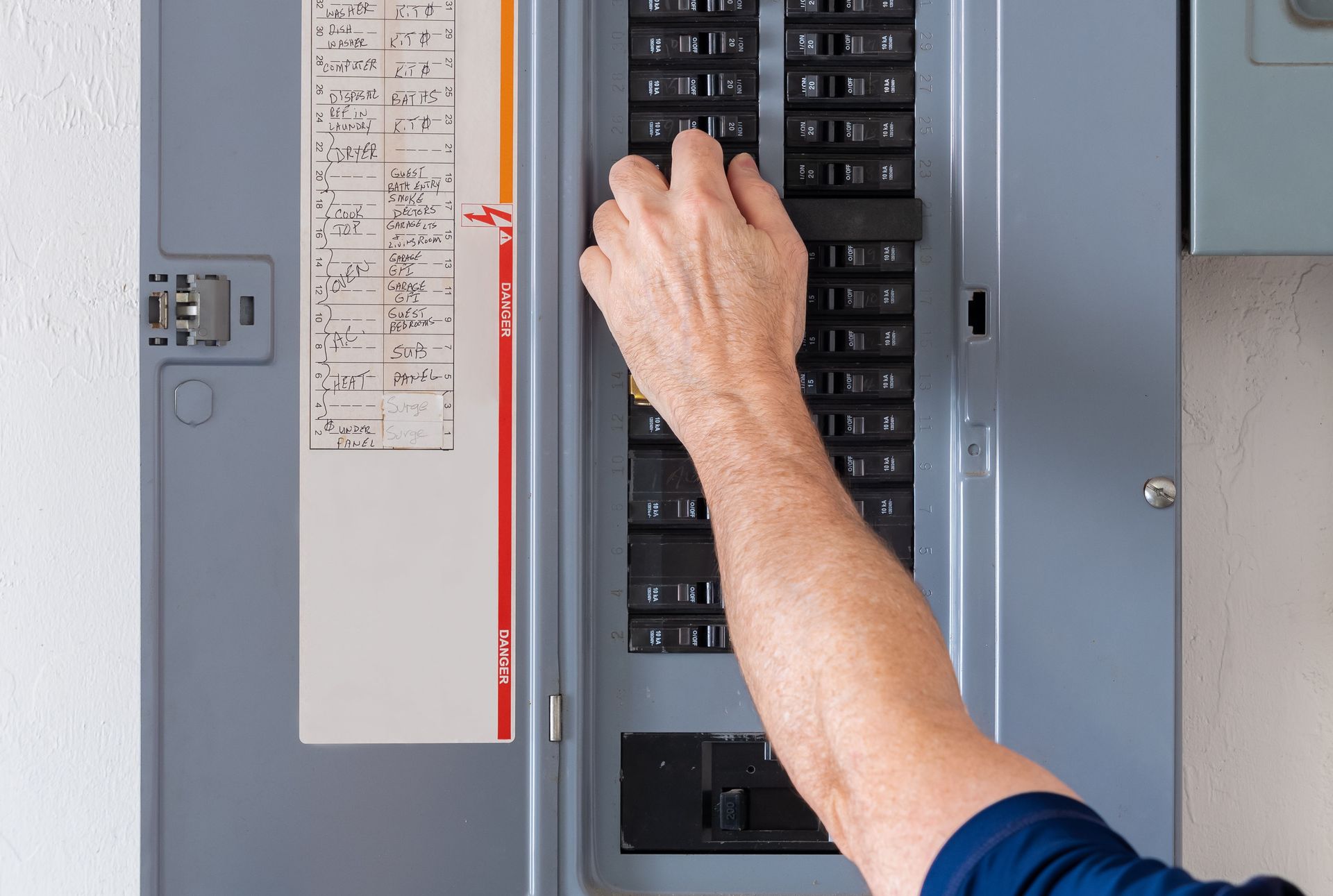
Circuit breakers are designed to interrupt electrical flow when a circuit becomes overloaded or encounters certain electrical problems. Occasional trips can occur when too many devices are operating on the same circuit at once. However, frequent breaker trips may indicate that the electrical system is struggling to handle the home's demands. Repeated trips can also point to wiring problems, faulty appliances, or other electrical issues that require investigation. An electrician can inspect the panel and determine why specific breakers are repeatedly shutting off. If the panel has insufficient capacity, an upgrade may provide additional electrical capacity when combined with appropriate circuit modifications. Homeowners should avoid repeatedly resetting a breaker without determining why it trips. Identifying the underlying problem is important for maintaining a properly functioning electrical system.
Flickering or Dimming Lights
Lights that flicker or dim when appliances turn on can be an indication that the electrical system deserves closer attention. Small changes may occur when high-powered equipment starts, but persistent or widespread flickering should not be ignored. The issue can originate from loose connections, overloaded circuits, wiring problems, or other electrical conditions. Older panels may also have difficulty accommodating the electrical demands of a modern household. An electrician can evaluate the panel, circuits, and connections to determine whether the problem is related to capacity or another issue. A professional inspection can distinguish between a minor connection problem and a more significant electrical concern. Homeowners should also pay attention if flickering occurs across multiple rooms rather than at a single light fixture. Prompt evaluation can help identify problems before they affect additional parts of the electrical system.
Outdated Panel Equipment
Some homes still contain electrical panels that were installed decades ago and may no longer be well suited to modern electrical demands. Older equipment can have limited capacity, aging components, or designs that are difficult to integrate with newer electrical requirements. An outdated panel does not automatically mean that replacement is necessary, but its condition should be evaluated by a qualified professional. According to Rewiring America, approximately 60% to 70% of American households have electrical panels rated below 200 amps, which can create limitations for full home electrification. An electrician can determine whether an existing panel has adequate capacity for the home's current and anticipated electrical loads. The evaluation may consider the condition of the panel, available breaker spaces, service capacity, and planned additions. Upgrading an outdated panel can also provide a more suitable foundation for future electrical improvements. Homeowners should base the decision on the property's specific electrical needs rather than panel age alone.
Limited Electrical Capacity
Modern homes often use more electricity than older homes were originally designed to accommodate. Large appliances, air conditioning systems, electric water heaters, home offices, and other equipment can place substantial demands on the electrical system. A panel with limited capacity may leave homeowners with fewer options for adding new electrical loads. This can become particularly important when planning an electric vehicle charger, heat pump, or other high-demand equipment. An electrician can calculate or evaluate the home's electrical requirements and determine whether the existing service can accommodate planned additions. In some cases, improvements may involve more than simply installing a larger panel. Service upgrades, wiring modifications, or additional circuits may also be necessary depending on the home's configuration. Planning for electrical capacity before adding major equipment can help prevent unexpected limitations later.
Excessive Panel Heat
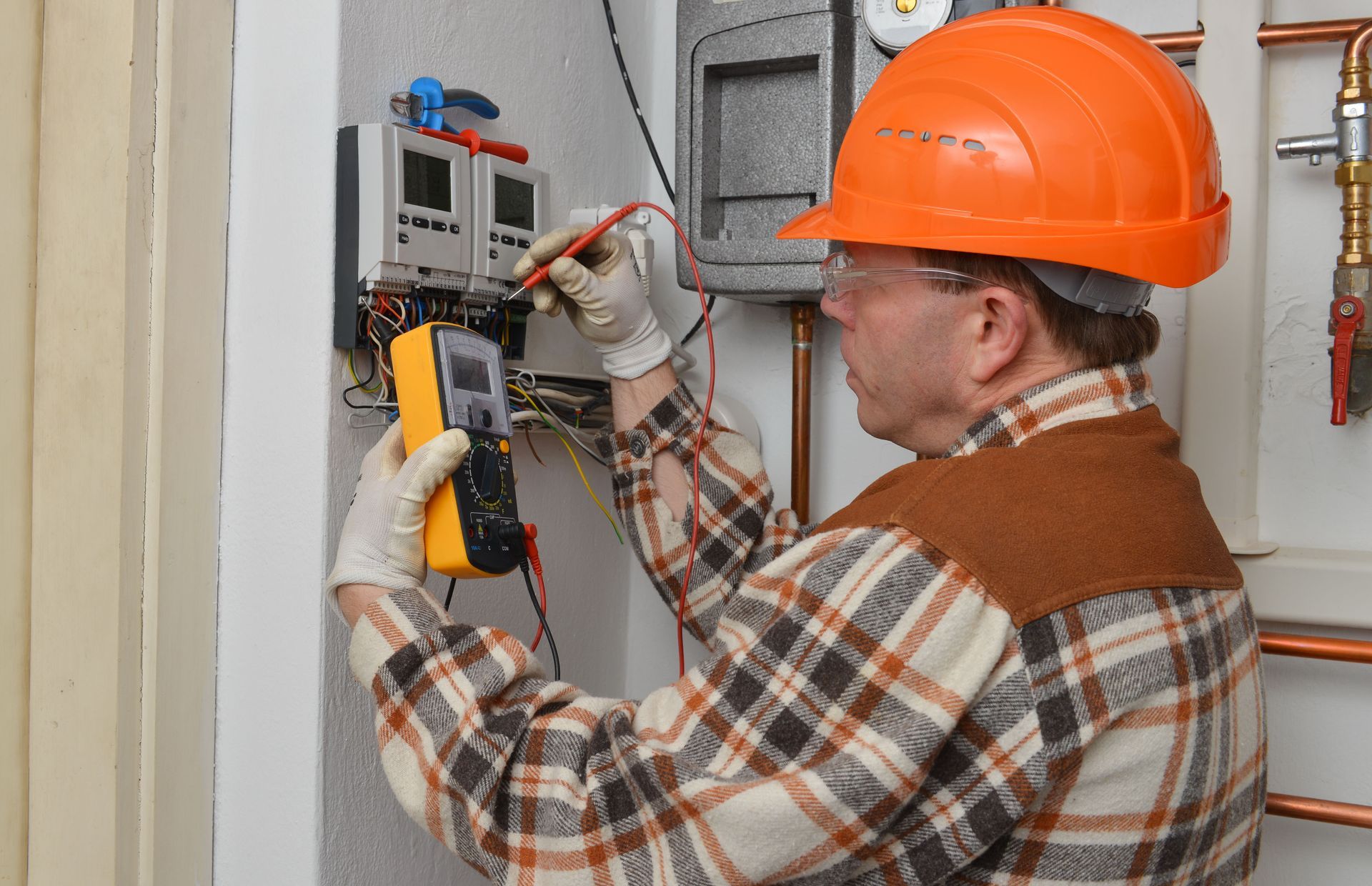
Electrical panels can become warm during normal operation, but excessive heat should receive professional attention. Hot spots, discoloration, melted components, or a burning odor may indicate a serious electrical problem. These signs can be associated with loose connections, overloaded circuits, damaged components, or other conditions that require prompt evaluation. Homeowners should not open or attempt to repair the inside of an electrical panel themselves. An electrician can safely inspect the equipment and determine whether repairs or replacement are needed. If the panel has sustained heat-related damage, continuing to use it without professional evaluation may create additional concerns. A qualified inspection can identify the source of excessive heat and assess the condition of the surrounding components. Addressing these warning signs promptly is important for maintaining a safer electrical system.
Insufficient Breaker Spaces
A panel can have adequate overall capacity while still lacking enough available breaker spaces for a home's electrical needs. Homeowners may encounter this issue when adding circuits for renovations, appliances, workshops, or other improvements. Improperly adding circuits without sufficient space can create installation challenges and should not be addressed through makeshift solutions. An electrician can examine the panel and determine whether additional spaces are available or whether a larger panel is appropriate. The assessment should also consider the panel's overall capacity rather than focusing solely on the number of open spaces. In some situations, a subpanel may be an appropriate option depending on the property's electrical configuration. Determining the right solution before beginning a renovation can help ensure that new electrical work is properly planned. Adequate breaker space can make future electrical modifications more practical when the system is designed to accommodate them.
Major Home Renovation Plans
Home renovations often introduce new lighting, outlets, appliances, and equipment that can increase electrical demand. A kitchen remodel, finished basement, addition, or home office may require several new circuits. Older electrical systems may not have enough capacity or available spaces to accommodate these changes. An electrician can inspect the existing panel before renovation work begins and identify potential limitations. Planning electrical upgrades in advance can help prevent delays once construction is underway. The evaluation may also reveal outdated wiring or other components that should be addressed during the renovation. Coordinating electrical improvements with remodeling work can make it easier to bring the system in line with the home's updated needs. A panel assessment is therefore a useful step when a major renovation is expected to significantly change household electrical usage.
New High-Demand Equipment
Adding high-demand electrical equipment can change the requirements of an existing electrical system. Electric vehicle chargers, heat pumps, electric ranges, hot tubs, and other equipment may require dedicated circuits and substantial electrical capacity. Before installing such equipment, homeowners should determine whether their current panel and service can safely support the additional load. An electrician can evaluate the existing system and identify whether a panel upgrade, service improvement, or circuit modification is necessary. The appropriate solution depends on the home's current electrical capacity and the requirements of the new equipment. Planning ahead can prevent homeowners from discovering capacity limitations after purchasing or scheduling installation of new equipment. A professional evaluation can also help ensure that the new circuit is properly integrated into the home's electrical system. Addressing capacity concerns before installation can make the addition of high-demand equipment more straightforward.
Making an Informed Panel Upgrade Decision
An electrician can assess the system and explain whether repair, modification, or replacement is appropriate. Homeowners planning renovations or adding high-demand equipment should also consider an electrical assessment before work begins. Taking this step can help identify limitations and allow electrical improvements to be incorporated into a larger project. Dayton Electric Co, LLC can evaluate residential electrical panels and help homeowners understand their available options.
Contact us to schedule an electrical panel evaluation and discuss whether your home's electrical system is ready to meet its current and future demands.