June 5, 2026
Electrical systems are one of the most essential parts of any home, powering everything from lighting and appliances to heating and entertainment devices. Despite being so central to daily life, they are often overlooked until a problem arises. Understanding how your home’s electrical system functions is the first step toward maintaining safety and preventing hazards. A trained electrician plays an important role in helping homeowners understand how power is distributed throughout the home and how to recognize early warning signs of trouble. These professionals are equipped to assess wiring conditions, breaker panels, and load capacity to ensure everything operates safely and efficiently.
Simple awareness can go a long way. Knowing where your main electrical panel is located, how to shut off power during an emergency, and recognizing symptoms such as flickering lights or frequent breaker trips can help prevent serious issues. Electrical safety begins with knowledge and routine attention. When homeowners understand their systems, they are better prepared to prevent risks before they develop into costly or dangerous problems.
Inspecting Wiring Conditions and System Performance
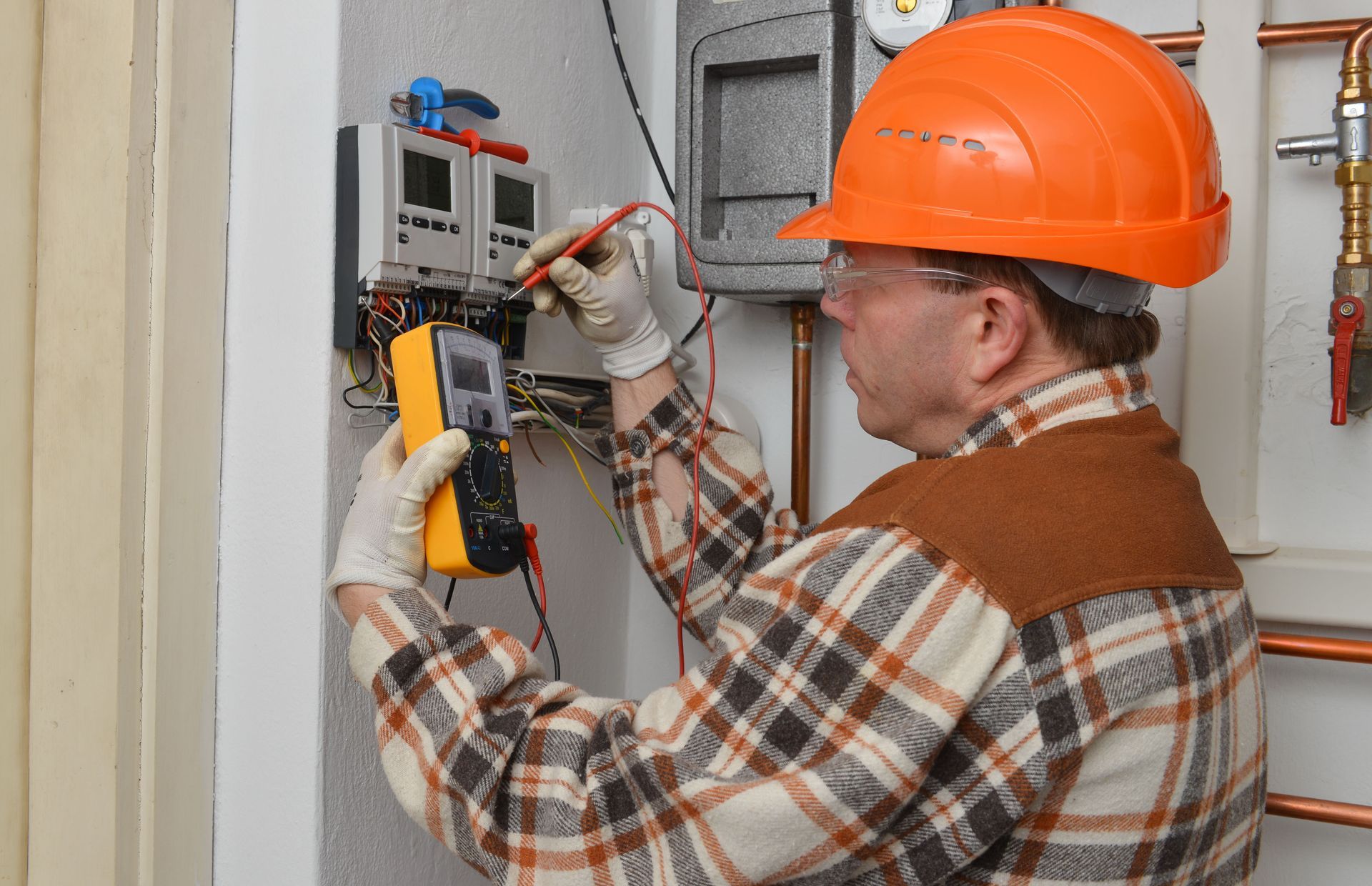
Wiring is the backbone of any electrical system, and its condition directly affects safety and performance. Over time, wires can deteriorate due to age, heat exposure, or increased electrical demand from modern appliances and devices. Scheduling regular inspections helps identify issues such as frayed wiring, outdated components, or overloaded circuits. A licensed electrician can perform detailed evaluations to ensure that the system meets current safety standards and is capable of handling household energy needs.
Homeowners often do not realize that electrical systems have limits. As new appliances and technology are added to the home, demand increases, which can strain older wiring systems. Without proper upgrades or maintenance, this strain can lead to overheating or system failure. Early detection of wiring issues reduces the risk of electrical fires and costly repairs. Routine inspections also ensure that the system continues to operate efficiently, supporting long-term safety and reliability throughout the home.
Preventing Circuit Overloads and Energy Strain
One of the most common electrical hazards in residential settings is circuit overload. This occurs when too many devices draw power from a single circuit, exceeding its capacity and creating excessive heat buildup. Extension cords and power strips are often used to manage additional devices, but they are not designed for long-term or high-load usage. Overreliance on these tools can increase fire risk and damage electrical systems over time.
A professional electrician can assess how power is distributed throughout the home and recommend adjustments such as adding new circuits or upgrading the electrical panel. These improvements help balance energy use and reduce strain on existing systems. Understanding how much power each appliance requires is also important. High-energy devices such as space heaters, refrigerators, and air conditioners should ideally be placed on dedicated circuits to avoid overloading. Managing electrical demand effectively helps maintain system stability and reduces the likelihood of unexpected outages or hazards.
Maintaining Outlets and Electrical Connections
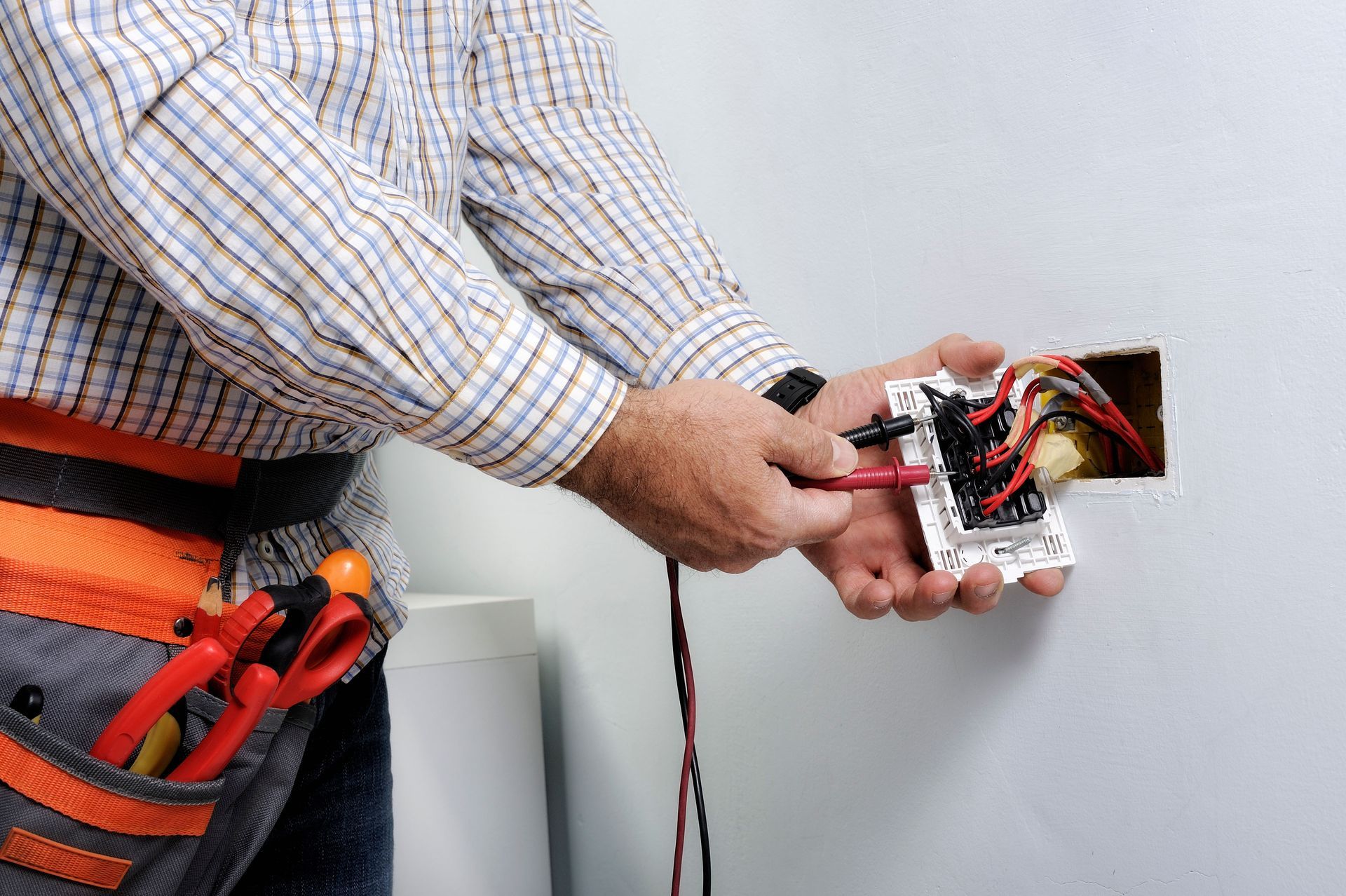
Outlets are among the most frequently used electrical components in any home, yet they are often ignored until problems occur. Loose, damaged, or outdated outlets can pose serious safety risks, including shocks and fire hazards. Homeowners should regularly inspect outlets for signs of wear, such as discoloration, warmth, or buzzing sounds. These symptoms often indicate underlying electrical issues that require attention.
A qualified electrician can replace faulty outlets, install grounded systems, and ensure compliance with modern electrical codes. In areas exposed to moisture, such as kitchens and bathrooms, Ground Fault Circuit Interrupter (GFCI) outlets are especially important for preventing electrical shock. Proper outlet installation also reduces the need for extension cords, which are a common cause of electrical accidents when used improperly. Ensuring that outlets are correctly placed and functioning safely improves both convenience and safety in daily life. Maintaining outlets is a simple but effective way to reduce risk and improve overall system reliability.
Ensuring Safe Appliance Usage and Maintenance
Appliances are responsible for a significant portion of household electricity usage, and improper use can contribute to safety hazards. Faulty wiring, damaged cords, or overloaded circuits connected to appliances can lead to overheating or electrical failure. Regular maintenance of appliances helps ensure they operate safely and efficiently. Homeowners should pay attention to warning signs such as unusual noises, burning smells, or inconsistent performance.
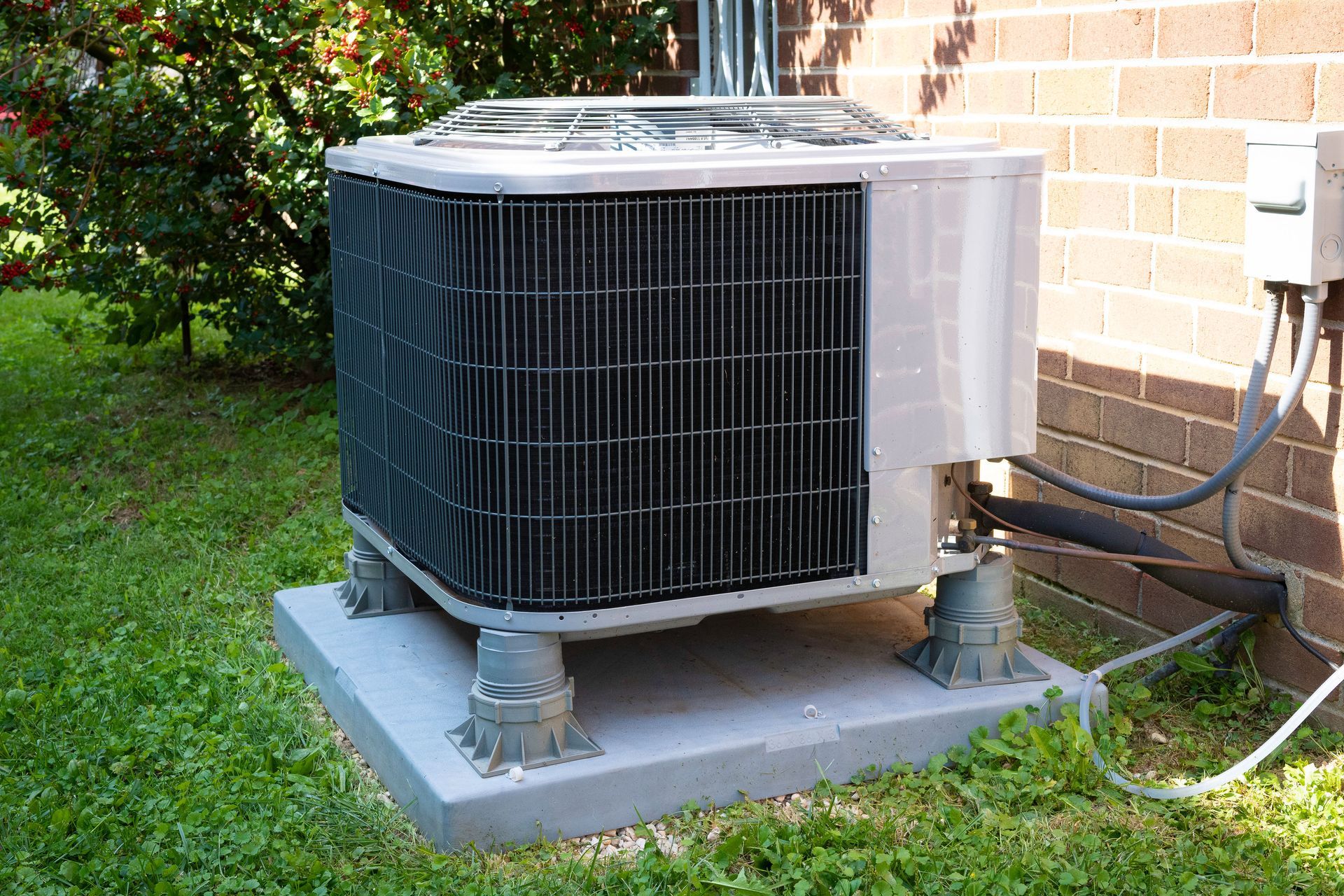
An experienced electrician can determine whether appliances are properly connected and whether dedicated circuits are needed for high-energy devices. This helps prevent overloads and improves system efficiency. Proper installation is also critical for performance. According to Energy Star, improper installation of HVAC equipment can reduce efficiency by up to 30%. While this statistic focuses on HVAC systems, it highlights a broader truth: incorrect installation of home systems can significantly impact both efficiency and safety. Ensuring appliances are correctly installed and maintained helps reduce energy waste and prevents unnecessary strain on the electrical system.
Identifying Warning Signs of Electrical Problems
Electrical issues often develop gradually, making it important for homeowners to recognize early warning signs. Common indicators include flickering lights, frequently tripped breakers, burning odors, or outlets that feel warm to the touch. These symptoms may suggest deeper issues such as faulty wiring, overloaded circuits, or failing components within the electrical panel. Ignoring these signs can increase the risk of electrical fires or system failure.
A professional electrician can diagnose these issues and recommend appropriate repairs or upgrades. Early intervention is often more cost-effective and significantly safer than waiting for a complete breakdown. Unusual sounds such as buzzing from switches or outlets should also be taken seriously. These noises may indicate loose wiring or electrical arcing, both of which require immediate attention. Recognizing these warning signs early helps prevent larger problems and ensures the electrical system remains safe and functional.
Upgrading Electrical Panels and System Capacity
As homes become more reliant on modern technology, electrical systems must be capable of handling increased demand. Older electrical panels may not be designed to support today’s energy usage, leading to frequent tripping or system overloads. Upgrading the electrical panel is often necessary to improve safety and performance. This allows for better distribution of electricity and supports additional appliances or home improvements.
A knowledgeable electrician can assess whether an upgrade is needed and recommend the appropriate system based on household energy consumption. This ensures that the home remains safe, efficient, and prepared for future demands. Upgraded panels also provide better protection against power surges and reduce the risk of electrical failures. In many cases, they improve overall property value by bringing electrical infrastructure up to current standards. System upgrades are an investment in long-term safety and reliability, helping homeowners avoid future complications.
Building Long-Term Electrical Safety Practices
Electrical safety should be viewed as an ongoing responsibility rather than a one-time task. Developing consistent habits helps maintain a safe and efficient home environment over time. Simple practices such as unplugging unused devices, avoiding overloaded outlets, and scheduling regular inspections can significantly reduce risks. Homeowners should also stay informed about updates in electrical safety standards and best practices.
Maintaining electrical safety is essential for protecting both your home and your family. From routine inspections and outlet maintenance to system upgrades and appliance care, each step plays a role in ensuring a safe and efficient environment. Dayton Electric Co., LLC is dedicated to helping homeowners maintain reliable electrical systems through professional service and expert care. Whether addressing minor concerns or planning major improvements, having the right support ensures long-term peace of mind. Contact Dayton Electric Co., LLC today to schedule an inspection or discuss your electrical needs. Ensure your home remains safe, efficient, and up to modern standards with professional support you can depend on.